Care in Kyiv · Patients from other cities
Discuss your care before you travel
If you are from Poltava, or currently staying elsewhere, you are welcome to enquire about a consultation and gallbladder surgery in Kyiv when clinically appropriate. Start by contacting the team: ask whether a preliminary remote discussion is suitable, gather existing medical reports and write down your questions for the surgeon.
A clear plan helps coordinate investigations, admission, travel and recovery. The decision about surgery follows an assessment of your health; finding gallstones on an ultrasound does not, by itself, determine the right treatment.
Before your visit
Gather ultrasound reports, discharge summaries and a medication list. Ask which records are needed for a preliminary discussion.
In Kyiv
Discuss your diagnosis, reasons for treatment, alternatives, anaesthesia and individual care plan.
After discharge
Agree on travel home, practical support, follow-up and what to do if your condition worsens.
Patients from Poltava: coordinate work and family support
When arranging a gallbladder consultation in Kyiv from Poltava, start by listing the responsibilities someone else may need to cover. These might include work shifts, childcare or helping a relative. Ask which stages of treatment can be planned now and which depend on your assessment. Explain what your usual work involves so that advice about returning to it reflects your actual duties.
Before using annual leave for a visit, clarify the records and test results you need. If you have been examined in Poltava, provide the dates and ask whether those results are sufficient for the next step. Avoid ordering a large set of tests from someone else's checklist. Your clinician may still recommend further investigations after reviewing your case. Keep accessible copies of your existing results, including versions you can open without an internet connection.
Once the plan is agreed, allow flexibility for travel and changes in medical advice. Arrange help at home in Poltava and avoid filling your first days back with urgent commitments. Before discharge, clarify follow-up appointments, activity restrictions and any documents your employer may need. Have a practical backup if your absence needs to be extended.
What to prepare for your first enquiry
A short account of your symptoms makes the consultation more useful. Note when pain started, where you feel it, how long episodes last and whether they involve fever, vomiting or a change in skin colour. Include any medicines you have taken and their effect. If you currently have no symptoms, explain what the investigation found and why it was performed.
- Your latest dated ultrasound report and any earlier results that may help show changes.
- Hospital discharge summaries, specialist reports and the results of tests already completed.
- A list of regular medicines and doses, allergies and previous operations.
- Questions about the purpose of treatment, alternatives, timing, costs and your journey home.
Avoid buying a large testing package based only on an online checklist. First establish which investigations you personally need, where they can be performed and how recent the results must be for the treating team.
Gallbladder removal, or cholecystectomy, is an operation used to treat selected gallbladder conditions. This page explains assessment, laparoscopic treatment when indicated, preparation and recovery for patients from Poltava considering care in Kyiv. Finding a stone on ultrasound does not by itself mean that everyone needs surgery: symptoms, complications and the condition of the gallbladder and bile ducts matter.
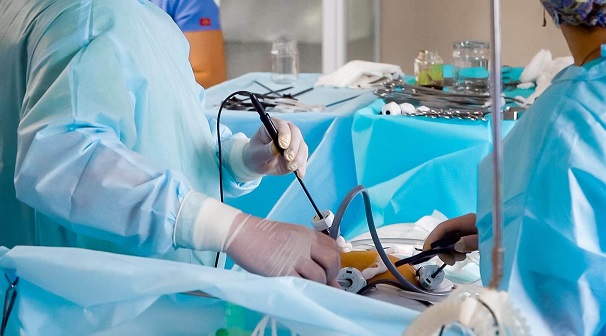
Laparoscopy uses a camera and instruments introduced through small abdominal incisions. It can offer a shorter recovery than an open operation, but it is still abdominal surgery with anaesthetic and surgical risks. The surgeon discusses the reason for treatment, alternatives and the possibility of conversion to an open operation. Choose a service on the basis of an appropriate clinical plan, the team’s experience and arrangements for follow-up.
When cholecystectomy may be indicated
A surgeon may recommend cholecystectomy for symptomatic gallstones, recurrent biliary colic, acute or recurrent gallbladder inflammation, or particular complications. Acute cholecystitis needs timely hospital assessment; early laparoscopic surgery is often considered when the patient is fit for it. It is not necessary to wait for repeated attacks or for every conservative treatment to fail.
- Stones causing pain or complications require an individual treatment plan.
- Stones in the common bile duct need a separate duct-clearance plan, using endoscopy or surgery as appropriate.
- A gallbladder polyp is assessed according to its size, growth, appearance, symptoms and risk factors.
- Wall calcification, cholesterol deposits, functional disorders or congenital abnormalities do not automatically require removal; the diagnosis and individual risk must be assessed.
- Suspected cancer requires a specialist plan and cannot be treated as routine day-case surgery.
People with incidentally found, symptom-free stones in an otherwise normal gallbladder and biliary tree usually do not need treatment unless symptoms develop. Discuss what to watch for and when to return for assessment.
Benefits of laparoscopic cholecystectomy
Compared with an open operation through a larger incision, laparoscopic surgery generally involves smaller wounds and may reduce postoperative pain and the time needed for recovery. The camera provides a magnified view while the surgeon works through small access ports. Many suitable patients can avoid a prolonged hospital stay.
- Smaller abdominal incisions, with scars that are usually less conspicuous.
- Earlier gradual mobilisation when clinically appropriate.
- A recovery plan that may allow an earlier return to usual activities.
- Video-guided assessment of the operative field.
These advantages are not promises of a painless, bloodless or scar-free operation. Bleeding, infection, bile leakage, injury to a bile duct or another organ, thrombosis and other complications remain possible. A difficult operation or an open approach may require a longer stay and recovery. The surgeon should discuss the benefits and risks relevant to you.
Choosing a surgical team
Patients from Poltava can discuss a consultation in Kyiv before making travel plans. The useful questions are practical: who will assess and operate, what the diagnosis is, why surgery is proposed, which alternatives exist, and how the team handles recovery and complications. An assessment of your case is more informative than comparisons claiming that one city or hospital is always better than another.
- Confirm the surgeon’s relevant experience and who provides anaesthetic care.
- Ask about the planned technique, equipment and when an open approach might be necessary.
- Agree on costs, tests and inpatient arrangements in advance.
- Plan transport, an accompanying adult and, if needed, accommodation for a relative.
- Clarify follow-up locally and with the operating team.
A short hospital stay may be suitable after an uncomplicated operation, but it is not promised for everyone. Do not buy a same-day return ticket or assume that travelling alone will be safe until the team has assessed your condition and discharge plan.
Your surgical consultation: making an informed decision
Your treating doctor is Емір-Усеінов Таір Сеітхалілович, a surgeon specialising in laparoscopic surgery. His clinical work includes laparoscopic cholecystectomy for gallstones and cholecystitis. Use the consultation to discuss the indications, investigations and next steps appropriate to your situation.
Confirm who will operate, who will be responsible for postoperative care and how to obtain advice after discharge. If the plan is complex or you remain unsure, discuss seeking a second medical opinion. A preliminary discussion can help you prepare, while the final plan depends on clinical examination and investigation results.
Ask the surgeon to consider your symptoms alongside the ultrasound findings, blood results and medical history. Discuss previous operations and other health conditions, including how these affect the proposed approach and anaesthesia. Before agreeing to surgery, you should understand the expected benefit, potential risks, alternatives and implications of delaying treatment.
Facilities and care
Treatment starts with a discussion of your symptoms, investigation results and expectations. The consultation should help you understand which problem surgery is intended to address, how urgently treatment is needed and what might change the plan. Ask for unfamiliar terms to be explained, and bring a written list of the issues you would like to discuss.
Magnified video helps the operating team see anatomical structures. Safety also depends on assessment, surgical technique, anaesthetic care and the team’s ability to manage complications; the brand or type of energy instrument alone does not establish a better outcome.
Before admission, confirm the address, arrival time, ward arrangements, arrangements for a companion and how to contact the team. If you need help with mobility, interpretation or particular practical arrangements, raise this before travelling and confirm what the hospital can provide.
Arranging treatment
Start with a consultation request by phone or through the existing contact form. Explain the symptoms, whether there have been previous attacks or emergency admissions, and what investigations have already been done. A remote discussion may help organise an appointment, but cannot replace an examination when one is needed.
- Arrange an assessment and share the available medical reports through the agreed channel.
- Obtain an individual investigation and preparation plan from the team.
- Confirm the date, address, admission arrangements and expected stay before travelling from Poltava.
Bring identification, existing discharge summaries, ultrasound reports and blood results. Include a list of medicines, allergies and other conditions; bring insurance documents if applicable. Tell the team about previous abdominal operations. Surgery on the day of admission is possible only when assessment, preparation, consent and hospital arrangements allow it; having test results alone is not a guarantee.
For severe persistent pain, fever, vomiting or jaundice, seek urgent local assessment instead of waiting for a planned visit in Kyiv.
Preoperative investigations
The surgeon and anaesthetist choose investigations according to the planned operation, medical history and examination. The following tests may form part of an individual plan; use the list to discuss your needs rather than as a universal prescription:
- Complete blood count and blood biochemistry, including liver-related measurements when indicated.
- Blood group and Rh factor when required by the treatment plan.
- Clotting tests when clinically appropriate.
- Urine testing where indicated.
- ECG based on the anaesthetic assessment.
- Abdominal ultrasound and previous imaging for comparison.
- Chest imaging, additional specialist consultations or other investigations only if requested for a relevant reason.
Testing for infections, pregnancy or other conditions is discussed as appropriate to the individual and local requirements. Confirm which results can be obtained near home and which the hospital needs to repeat. There is no single universal seven- or ten-day validity period for every investigation. Send existing results for review before paying for new tests.
Preparing for surgery
Preparation includes a review of the diagnosis, anaesthetic fitness and the proposed operation. Tell the team about heart, lung, kidney or liver disease, diabetes, previous anaesthetic problems, allergies and all medicines, including supplements. Ask for written instructions before the admission date.
- Do not stop anticoagulants, diabetes medicines or other regular treatment on your own. The team must decide whether and when doses should be changed.
- Follow the hospital’s specific fasting instructions for food and drinks. Do not use a fixed timetable copied from an old webpage.
- Do not use an enema, laxative, gas-reducing medicine, antibiotic or other preparation unless the clinician has instructed you to do so.
- Follow the team’s hygiene instructions, including whether to shower before admission.
- Arrange someone to accompany you home and help during the first day after anaesthesia.
If your symptoms worsen or you become unwell before the planned operation, contact the team; urgent symptoms need urgent care. Explain any difficulty following the preparation instructions so the plan can be adjusted safely. Bring the test results and documents requested for admission.
Recovery after surgery
After surgery, staff monitor breathing, blood pressure, pain, nausea and the wounds while you recover from anaesthesia. The team decides when it is safe to sit up, walk, drink and eat. A drain, if used, is removed according to the clinical situation rather than automatically at a fixed hour.
Some patients go home the same day or after an overnight stay; others need longer observation. Discharge depends on clinical recovery and a safe plan for home, not on a promised timetable. You should receive instructions about wound care, pain relief, medicines, food, physical activity and follow-up.
Arrange a responsible adult to take you home and help initially. Confirm when and how to contact the surgeon after returning to Poltava, whether a wound check is needed and who will arrange any further care locally. Desk-based work may be possible earlier than heavy physical work; the return date should take account of the operation, symptoms and job demands. Persistent or worsening symptoms warrant reassessment.
Food after gallbladder removal
The liver continues to produce bile after the gallbladder has been removed, but bile is no longer stored in the gallbladder. Most people can return to a normal balanced diet. Smaller meals may be easier initially, and individual tolerance matters more than a universal restrictive menu.
During early recovery, choose foods you can tolerate: cereals, vegetables, fruit, lean protein and dairy products if they suit you. Soups, soft foods, baked fruit or yoghurt can be practical options, but they are not compulsory treatment. Drink as advised by the team. Very fatty meals may cause discomfort in some people; adjust portions and discuss ongoing diarrhoea or pain.
A lifelong “diet No. 5”, complete avoidance of all fat, salt, coffee or particular foods, or six to seven meals daily is not automatically necessary after an uncomplicated operation. Avoid alcohol while it conflicts with medicines or recovery advice. Enzymes, bile-stimulating medicines and antispasmodics are not routine self-treatment for everyone; take only what is prescribed for your situation.
Activity and driving
Begin gentle movement when the team says it is safe, and increase activity gradually. Avoid strenuous exercise and heavy lifting until cleared. Recovery is not measured by a universal three-kilogram limit or the same one-, two- or six-month restriction for every patient. An abdominal binder is not a guarantee against a hernia and should be used only if advised.
Ask when showering, swimming, baths, sauna and sport are safe for your wounds and recovery. Do not drive while affected by anaesthesia or sedating medicines, or until you can safely control the vehicle and perform an emergency stop without pain. Check the clinician’s advice and any applicable insurance restrictions. A fixed three- or four-day deadline is not appropriate for everyone.
How you may feel after surgery
Wound discomfort, tiredness or nausea can occur after surgery and anaesthesia. Staff can help with pain relief and safe mobilisation. Stand up cautiously and ask for help if you feel dizzy. Bloating or temporary bowel changes may also occur, but symptoms should be assessed rather than dismissed as always normal.
Seek prompt medical review for severe or increasing pain, fever, repeated vomiting, jaundice, pus, increasing redness or swelling around a wound, or a painful swollen leg. Chest pain or difficulty breathing requires emergency help. Do not assume that postoperative fever or an inflamed wound will resolve by itself, or that complications are impossible because the incisions are small.
Frequently asked questions
Can patients from other cities arrange treatment in Kyiv?
Yes, this page is intended for people from Poltava considering a consultation in Kyiv. Confirm admission, transport, accommodation and follow-up before travelling. Urgent symptoms should be assessed where you are rather than waiting for a long journey.
How long does laparoscopic gallbladder removal take?
The duration depends on inflammation, anatomy, adhesions from previous operations, the procedure required and any difficulties encountered. Ask the surgeon for an estimate for your case. The operation itself is only part of the time needed for anaesthesia, recovery and observation.
How much does the operation cost?
The price of gallbladder removal is UAH 25,000. Before admission, confirm what this price includes: anaesthesia, tests, medicines, consumables, inpatient stay and follow-up appointments. Agree any additional services and their charges separately before treatment.
Is a laser better than the usual technique?
A laser is one possible surgical instrument. Its use does not guarantee a bloodless or painless operation, absence of scars or complications, or quicker recovery. The important questions are the indication, safe technique and the experience of the treating team.
Can surgery be performed on the day of admission?
Sometimes, if the team has completed the necessary assessment and preparation and the hospital can safely arrange it. Test results alone are not sufficient. Confirm the plan in advance and allow for a longer stay if clinically needed.
Which tests are needed?
The team selects tests for your health and procedure. They may include blood count, biochemistry, clotting tests, blood group, ECG and ultrasound. Urine testing, chest imaging or specialist advice may be needed in selected cases. Check the exact list and validity of existing results.
Which documents should I bring?
Bring identification, your current medicines and allergy list, the requested test results, ultrasound reports and available discharge summaries or specialist opinions. Earlier results help compare changes over time. Bring insurance information if applicable.
Can I obtain documentation for sick leave?
Ask the treating team about the current process for documenting temporary incapacity and any follow-up with your family doctor. The period away from work depends on the operation, recovery and the physical demands of your job; it cannot be guaranteed in advance.
When can I drive again?
Do not drive while affected by anaesthesia or sedating medicines. Resume only when you can safely control the car, including an emergency stop without pain, and meet the advice of your clinician and any insurance requirements. Arrange a driver for discharge.
Is age a contraindication to laparoscopy?
Age alone does not decide suitability. General health, frailty, anaesthetic risk, other illnesses and operative complexity all matter. Previous abdominal surgery and adhesions can change the plan. The surgeon and anaesthetist assess risks individually.
What can I eat after surgery?
Follow the team’s immediate postoperative instructions, then return to a balanced diet as tolerated. Small meals may be easier initially. Adjust foods that cause symptoms and ask for advice about persistent diarrhoea or pain. A rigid long-term diet is not automatically needed.
Can the gallbladder be left in place?
Sometimes observation is appropriate, particularly for symptom-free gallbladder stones without other concerning findings. When symptomatic disease or complications make cholecystectomy appropriate, simply removing or breaking the stones is not an equivalent routine treatment. Common-bile-duct stones require a separate clearance plan.
Start by discussing your situation
Call the team or request a callback. Explain that you are planning a visit from Poltava and briefly state what you would like to discuss. Your name and telephone number are enough for an initial request; agree separately how to share medical records.
+380 95 356 64 12
emir.useinov.tair@gmail.com
Please do not send passport details, payment information or unnecessary medical documents through the general contact form. Ask the team to confirm an appropriate channel for investigation results.
Patients visiting us from other cities
Choose your city for practical guidance on preparing for a consultation and planning treatment in Kyiv. These pages can help you organise a visit wherever you are currently staying.
Medical information and sources
This information helps you prepare questions for your clinician and does not replace individual medical advice. These sources explain general approaches to treatment decisions, preparation and recovery: