Gallbladder removal in Kyiv
Are gallstones causing attacks of pain, or has a doctor recommended surgery? Discuss the reasons for laparoscopic cholecystectomy, preparation and recovery with a surgeon.
Laparoscopic gallbladder removalUAH 25,000
Have your ultrasound report ready if you have one. You do not need to arrange additional tests yourself.
- In-person consultation in Kyiv121 Kharkivske Highway
- Treatment when indicatedAfter examination and review of your results
Reasons for treatment
Do you need an operation?
An ultrasound finding is only part of the picture. The surgeon considers your symptoms, previous complications, test results, other health conditions and preferences.
Gallstones causing symptoms
When gallstones cause biliary colic or other complications, gallbladder removal is usually considered. It is important to check that the pain is actually coming from the gallbladder.
Acute or recurrent cholecystitis
Acute inflammation needs prompt assessment in hospital. A doctor determines how urgently treatment is needed; an online booking cannot replace an urgent examination. Repeated episodes need a plan for further care.
A stone in a bile duct
You may need further investigations and removal of the stone from the duct, sometimes with an endoscopic procedure called ERCP. Removing the gallbladder alone may not treat a stone already in a bile duct.
A gallbladder polyp
Not every polyp needs surgery. The decision depends on its size, appearance, growth, symptoms and risk factors. Monitoring is appropriate in some cases.
Gallstones found by chance, with no symptoms? Stones that cause no symptoms in an otherwise normal gallbladder, without changes in the bile ducts, usually do not require surgery. Discuss your ultrasound findings with a doctor.
From consultation to discharge
Your treatment pathway
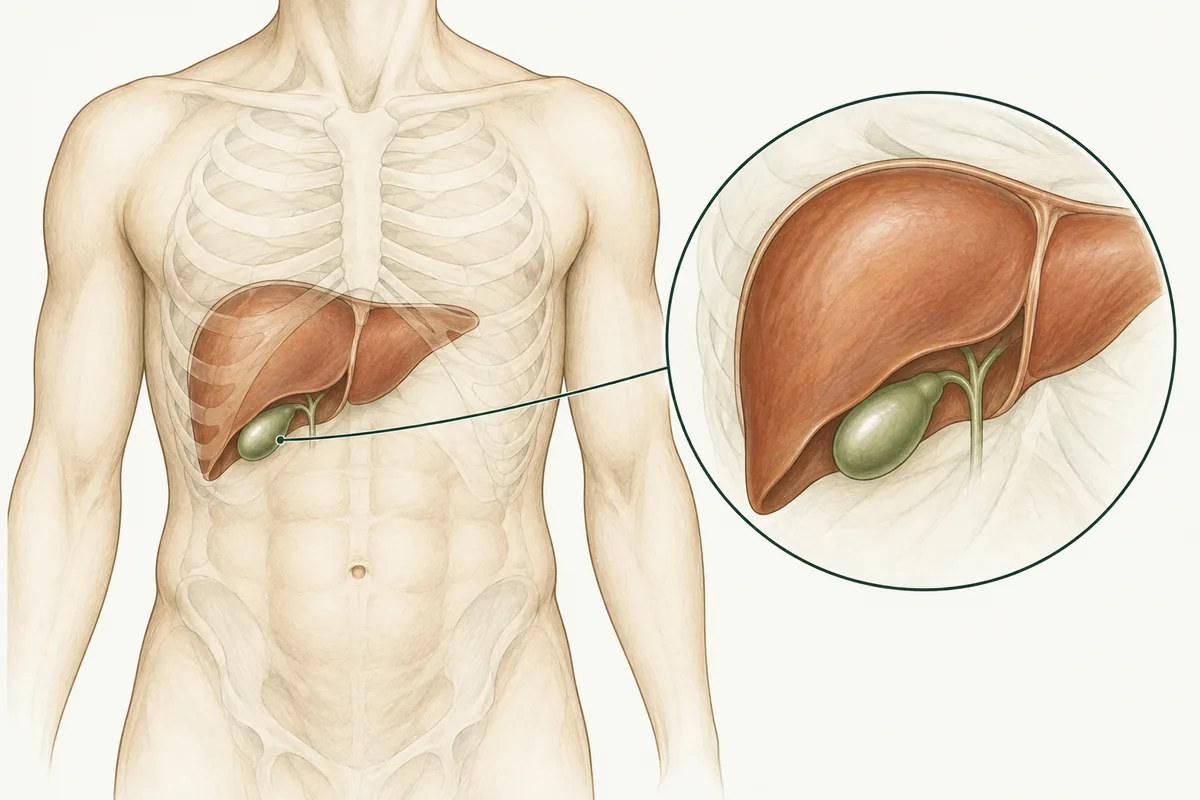
Cholecystectomy removes the gallbladder together with its stones. Before surgery, you discuss the expected benefits, alternatives and your individual risks.
Consultation and diagnosis
The surgeon reviews your symptoms, ultrasound report and available blood tests. If bile duct stones or another cause of pain are suspected, they recommend the additional investigations you need.
Preparation and anaesthetic assessment
The tests you need depend on your health. Tell the team about all medicines, allergies and previous operations. Your care team will explain how to take your medicines and when to stop eating and drinking before surgery.
Surgery under general anaesthesia
During laparoscopy, the surgeon works through small incisions using a video camera. Severe inflammation or other circumstances may mean that an open operation is needed.
Observation and advice for home
After surgery, the team monitors your condition and pain relief. Before discharge, ask for advice about wound care, eating, activity and how to contact your care team afterwards.
Have an ultrasound report or a recommendation for surgery? Book a consultation to discuss your next step with a surgeon.
Book a consultationAfter surgery
Recovery: what to expect
Recovery depends on how the operation goes, the surgical approach, other health conditions and the kind of work you do.
Going home
After uncomplicated laparoscopic surgery, discharge is often possible on the same day or the following day. Some people need longer observation. The team decides when you are ready to go home based on your condition.
Returning to activity
Increase light activity gradually as advised by your doctor. People often return to work without heavy physical demands within 1–2 weeks; heavy lifting and sport may need a longer break.
Eating and digestion
A permanent strict diet is not necessary for everyone. You can usually return gradually to balanced meals; small portions may be easier at first. Discuss persistent diarrhoea, nausea or pain with your doctor.
Care and support at home
Follow the advice on pain relief and looking after your wounds. Arrange for someone to take you home after anaesthesia and help during the first 24 hours. Ask your doctor when you can drive again.
After discharge: worsening pain, fever, jaundice, pus from a wound or a marked deterioration in your condition requires urgent medical attention.

Your surgical consultation
Емір-Усеінов Таір Сеітхалілович
Your treating surgeon is Емір-Усеінов Таір Сеітхалілович. He has worked as a surgeon at Kyiv City Clinical Hospital No. 1 since 2018. At your consultation with him, you can discuss your results, whether laparoscopic gallbladder removal is appropriate, and how to prepare.
Individual experiences vary. Reviews do not predict the outcome of your own treatment.
Treatment costs
The cost of gallbladder removal
Laparoscopic gallbladder removal costs UAH 25,000. Before booking surgery, confirm what this amount covers and any additional charges. The scope of treatment is determined after your consultation.
Before your consultation
Frequently asked questions
Does finding gallstones mean I need my gallbladder removed?
Not always. Stones that cause no symptoms in a normal gallbladder, without changes in the bile ducts, usually do not need surgery. If you have attacks of pain, inflammation or complications, a surgeon assesses the reasons for treatment.
Can the stones be removed while keeping the gallbladder?
The standard surgical treatment for symptomatic gallbladder stones removes the gallbladder together with the stones. Medicines to dissolve stones are suitable only for selected patients, take time and do not prevent stones from returning. Alternatives are discussed individually.
What changes if a stone is in a bile duct?
You need a plan to clear the duct, sometimes using ERCP. This is a separate part of treatment that is coordinated with care for the gallbladder. Jaundice, fever or severe pain needs urgent assessment.
When does a polyp need surgery?
The decision depends on the polyp’s size and appearance, changes on repeat ultrasound scans, symptoms and risk factors. Monitoring may be enough in some cases. Bring previous and recent ultrasound reports to your consultation if you have them.
Will I have scars, and what are the risks?
Laparoscopy uses small incisions that leave scars. Possible risks include bleeding, infection, blood clots, bile leakage, injury to bile ducts or other organs, and complications of anaesthesia. An open operation or further treatment is sometimes needed. Your individual risks are explained before surgery.
Can I live normally without a gallbladder?
Yes. Most people live normally without one: the liver continues to make bile, which reaches the intestine without being stored in the gallbladder. Some people notice changes in bowel habits or other digestive symptoms. Seek medical advice if these persist.
How long does recovery take?
After uncomplicated laparoscopic surgery, people often return to work without heavy physical demands within 1–2 weeks. Recovery takes longer after open surgery or complications. Your surgeon will explain the restrictions that apply to you.
How can I check the cost and book?
Laparoscopic gallbladder removal costs UAH 25,000. To check what the price covers and book, call +38 (095) 356 64 12 or leave your number in the booking form. When arranging your consultation, confirm its cost and what to bring.
Consultation in Kyiv
Discuss your next step with a surgeon
121 Kharkivske Highway, KyivConfirm the consultation time and exact location when booking.
Medical sources (links open in a new tab)
- NICE CG188: diagnosis and management of gallstone disease
- NIDDK: gallstone treatment and life without a gallbladder
- NHS: gallstone symptoms and urgent care
- NHS: laparoscopic and open surgery
- NHS: recovery after gallbladder removal
- NHS: possible complications and warning signs
- Joint European guidelines on gallbladder polyps, 2022
This information helps you prepare for a consultation and does not replace an examination. The reasons for treatment, surgical approach and recovery plan are assessed individually.