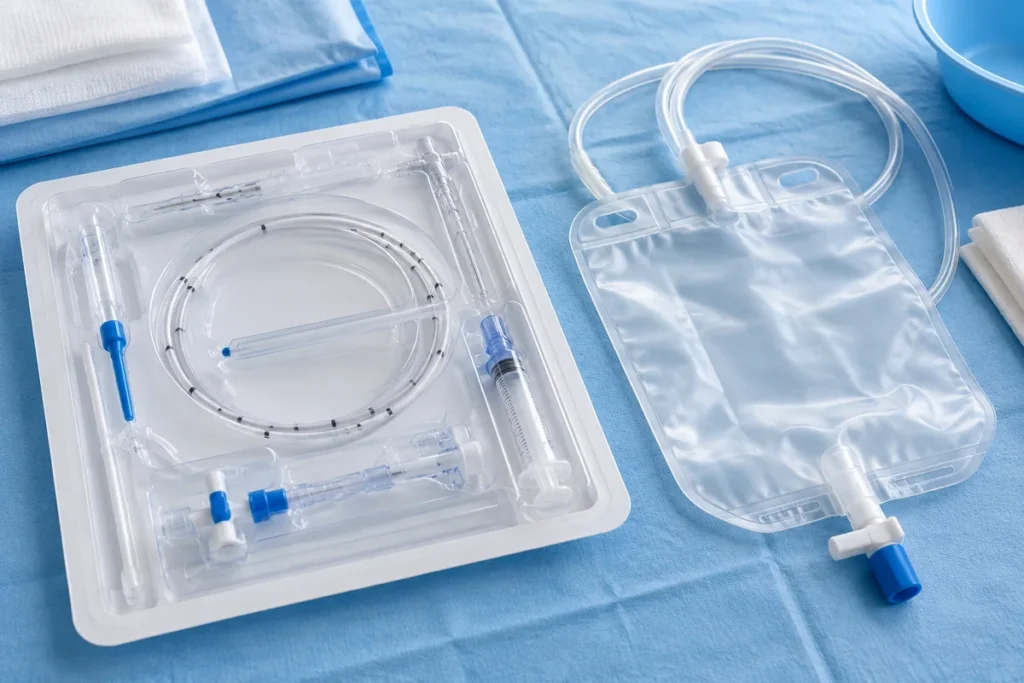
Cholecystostomy means placing a tube in the gallbladder to drain its contents. It may help control acute inflammation when immediate surgery carries too high a risk. If a patient is discharged with a drain, the main task at home is to follow individual instructions and notice changes promptly, not to manage the tube independently.
Why the procedure is needed
During percutaneous cholecystostomy, a catheter is passed through the skin under imaging guidance; its outer part is usually connected to a collection bag. The gallbladder remains in place. Drainage reduces the build-up of its contents and forms part of treatment alongside other prescribed measures. Source: Cleveland Clinic.
It is not a universal alternative to gallbladder removal. For some people, drainage is an intermediate step before surgery once their condition stabilises; for others, surgical risk remains high and an individual plan is needed. A review of care after the procedure emphasises assessing the possibility of definitive treatment once the acute process has settled. Source: review of management after cholecystostomy.
What to obtain before discharge
Ask for written instructions for your particular drainage system. Different catheters and clinical situations may need different care. A general article cannot replace a demonstration by a nurse or doctor. If a relative will provide care, they should ideally attend the teaching session too.
- Clarify who manages the drain and which number to call during and outside working hours.
- Write down the next appointment date and any blood tests or investigations needed beforehand.
- Find out which supplies are needed and where to obtain them.
- Ask for explanations about dressings, hygiene, sleeping, clothing and physical activity.
- Clarify exactly what to record about drainage and which changes the team considers reasons to call.
- Check that the medicine plan is clear and whether it needs coordinating with treatment for other conditions.
The NHS leaflet also includes care training and contact details in case the tube falls out. Source: NHS patient information.
Daily checks at home
Inspect the accessible outer part of the system without disconnecting or manipulating it. Look for pulling on the tube, the condition of the dressing, leakage, redness and changes in how you feel. Keep the dressing clean and dry according to your instructions. Do not immerse the insertion site in water; agree on showering arrangements with your team.
If you have been advised to record drainage, do so regularly in one notebook or note. Do not judge whether the drain is working by one number alone: previous readings, symptoms and the prescribed regimen matter. Report a sudden decrease or increase in drainage to a professional. Source: MyHealth Alberta home care guidance.
Do not flush, clamp, change the stopcock position or remove the catheter based on general internet instructions. These actions are appropriate only when specifically prescribed and after individual training. If instructions are unclear or lost, contact the medical team first.
When urgent help is needed
Fever, chills, increasing pain, jaundice, repeated vomiting, blood in the system, substantial leakage or movement of the tube require prompt contact with a doctor. If the catheter falls out, do not try to put it back. Call emergency services for sudden marked weakness, fainting, confusion or rapid deterioration. Source: Royal Devon NHS leaflet.
Do not wait for the planned appointment if symptoms resemble the original attack. Read more about the clinical symptoms in our article on acute cholecystitis.
How to arrange help at home
Decide in advance who will help with everyday tasks and accompany you to appointments. Keep instructions and contact details with the care supplies. If travelling away from the place of treatment, clarify where to seek help if a problem arises. Handing over care to someone else should include explaining the instructions, not merely showing where the bag is.
When the drain can be removed
There is no single time frame for everyone. The team assesses recovery, the course of inflammation, the patency of drainage pathways and the next steps in treatment. Further investigation or a test of how the system works must be prescribed and supervised by a professional. Feeling better alone does not mean the tube can be removed. Keep your discharge summary, drainage records and a list of all episodes of pain or fever for the follow-up visit: this helps the doctor assess recovery. Source: review of percutaneous cholecystostomy management.
Frequently asked questions
Can I live at home with the tube?
Yes, if your condition allows discharge, care is arranged and a follow-up plan is in place.
Does less bile in the bag mean recovery?
Not necessarily. Tell the team about the change, especially if pain or leakage has appeared.
Does the drain remove stones?
Drainage itself does not mean that all stones or the cause of the disease have been eliminated. Further treatment needs a separate discussion.
For a routine consultation with your discharge summary and test results, call +38 (095) 356-64-12. Acute symptoms require emergency care rather than waiting for an appointment.